
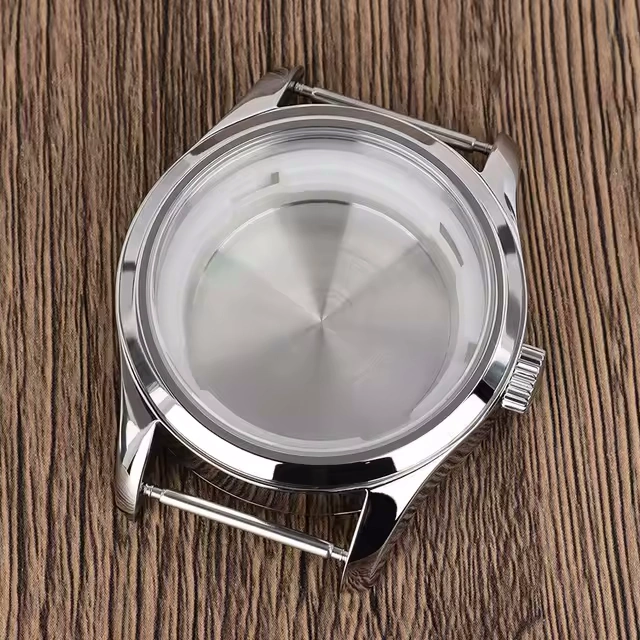
Why the Cost of Mechanical Watch Components Is Changing
Over recent years, the conditions for building mechanical watches have changed noticeably. This affects not only large manufacturers but also small ateliers and independent watchmakers who source components globally. Rising prices for watch parts are not an isolated issue but the result of several converging developments.
One key factor is the removal of import tax exemptions within the European Union. Since July 2021, all shipments from non-EU countries are subject to VAT, regardless of value. Platforms such as AliExpress now collect this tax directly at checkout, making costs more transparent and, in many cases, visibly higher than before.
In addition, logistics and shipping expenses have increased. Higher freight rates, occasional shortages in transport capacity, and more complex customs procedures have significantly raised the cost of moving cases, movements, and components from Asia to Europe.
Manufacturing costs have also risen. In China, wages and raw material prices—particularly for stainless steel, brass, and glass—continue to increase. At the same time, established movement suppliers have announced price adjustments or reduced the availability of older calibres, which directly impacts widely used automatic movements.
Alongside these factors, a broader shift in market positioning is taking place. Many suppliers are moving away from low-cost mass products toward higher-quality components, such as sapphire crystals, refined dials, and improved finishing. While this enhances overall quality, it also leads to higher production costs.
In summary, regulatory changes, rising manufacturing and logistics expenses, and strategic adjustments across the supply chain have ended the era of exceptionally low prices for watch components. For manufacturers of mechanical watches, this makes periodic price adjustments necessary in order to maintain quality, craftsmanship, and long-term reliability.