
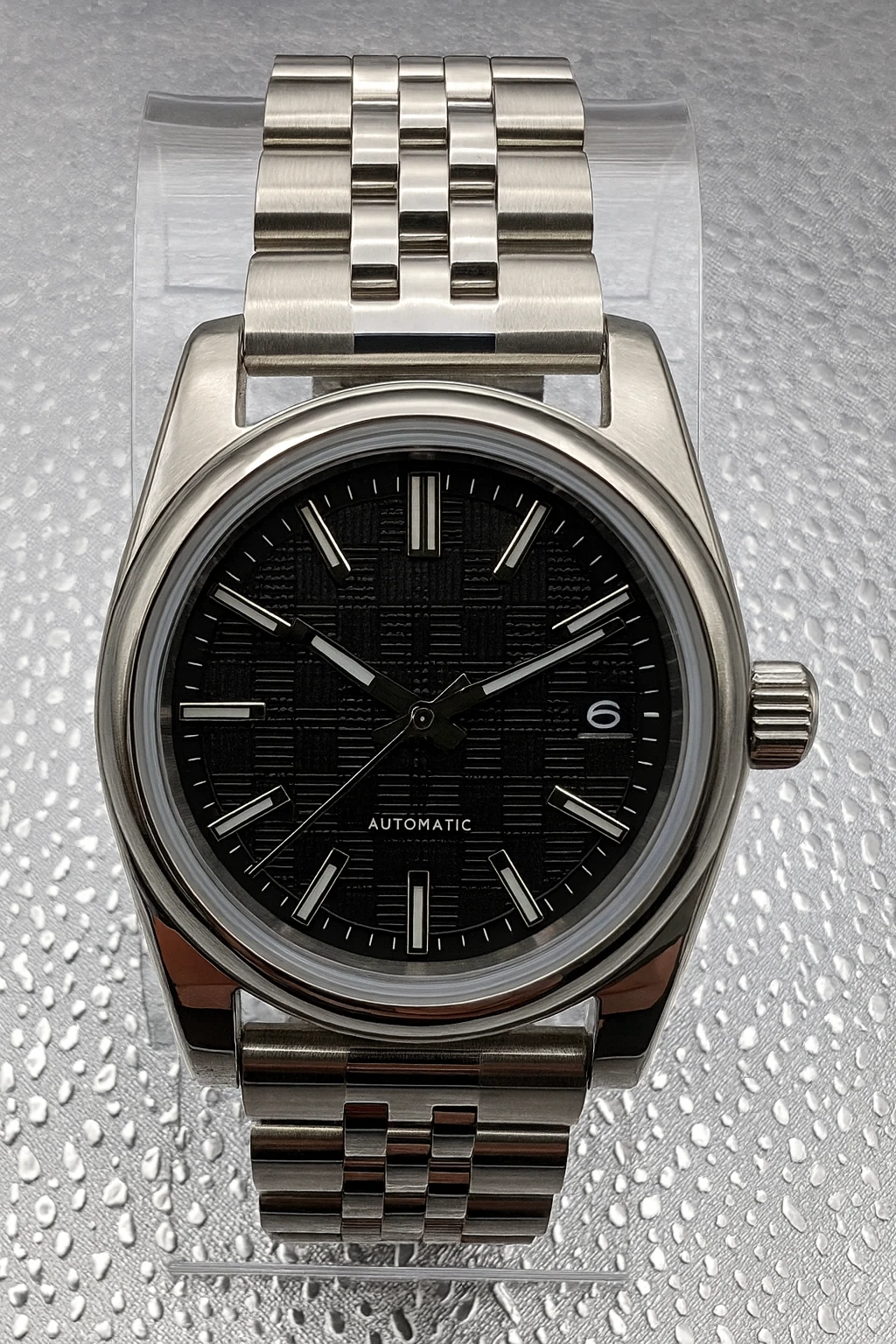
They are ticking again — deliberately and analog.
More and more young people are rediscovering the classic wristwatch. No push notifications, no endless updates, no digital overload. Instead: hands, dials, mechanics — and a sense of permanence in an increasingly fast-paced, digital world.
The Smartwatch as an Unlikely Catalyst
Ironically, it was the smartwatch that paved the way for this revival. When the Apple Watch entered the market in 2015, wearing a watch became popular among young people again after many years. “The idea of wearing a watch had to return to people’s minds first,” explains Joachim Dünkelmann of the German Association of Jewellers.
However, the initial enthusiasm soon faded. Smartwatches look largely identical, age quickly in technological terms, and represent constant availability. For many young wearers, they lost their appeal — especially as an expression of individuality and personal style.
Analog Watches as a Statement
Analog watches offer what smartwatches cannot: craftsmanship, character, and emotional value. They are not miniature computers for the wrist but a conscious alternative. Whether quartz or mechanical, hand-wound or automatic, they stand for quality, longevity, and authenticity.
It therefore comes as no surprise that parents are once again confronted with ambitious watch requests from their children. Analog watches promise distinction and individuality — qualities that software updates can never deliver.
Pandemic, Hype, and New Entry Points
During the COVID-19 pandemic, interest intensified even further. Suddenly, there was time — time to explore watchmaking, brands, and horological history. The luxury watch market boomed, waiting lists grew, and delivery times of up to eight years became reality for highly sought-after models.
A pivotal moment came in 2022 with the launch of the so-called MoonSwatch. The Swatch Group introduced an affordable version of the legendary Omega Speedmaster. At around €300, a horological icon became accessible — complete with the prominent Omega logo on the dial. A marketing masterstroke with enormous appeal to younger audiences
Social Media and Pop Culture as Accelerators
Social Media amplified the trend. Collaborations with artists such as Travis Scott or public appearances by celebrities like Zendaya wearing Rolex watches further legitimized analog watches as cultural symbols. They became visible, desirable, and aspirational.
More Than Just Numbers
Although overall watch sales declined slightly after the pandemic, revenue remains at a high level. But figures tell only part of the story. The real shift lies in mindset. For many young people, analog watches are no longer nostalgic relics but expressions of a more conscious lifestyle.
They are durable, repairable, independent of software and charging cycles — and free from digital interruptions. No notifications, no breaking news, no constant reminders of global crises. Just a quiet companion that measures time without demanding attention.
A Return to Tangibility — and New Perspectives
“In an increasingly digital world, tangible analog technology offers a welcome counterbalance,” says Albert Fischer, President of the Central Association for Watches, Jewellery and Time Measurement. The precision and function of a mechanical watch can be seen, felt, and even heard — without processors, internet access, or electricity
This renewed appreciation also opens up new career opportunities. As more watchmakers retire than are being trained, skilled professionals are urgently needed in both craftsmanship and specialist retail. The analog watch thus stands not only for permanence, but also for the future.
It is time, once again, to reconsider how we value time itself.